· Reviewed by Dr. Andreas Boettcher, MD
Why morning testosterone matters most, what suppresses the morning peak, and how to naturally support it with sleep, stress management, and supplements.
Testosterone is not a constant — it follows a strong daily rhythm that rises overnight, peaks between 7 and 10 AM, and declines steadily through the day to reach its lowest point in the late evening. This is why doctors specifically request morning blood draws for testosterone testing — an afternoon reading can be 30-40% lower than a morning reading and produce misleading results. For men optimizing their testosterone naturally, understanding this morning peak — and protecting or amplifying it — is one of the highest-leverage things you can do.
During sleep, especially during REM cycles, the hypothalamus releases pulses of GnRH (gonadotropin-releasing hormone), which signals the pituitary to release LH (luteinizing hormone), which travels to the testes and stimulates Leydig cells to produce testosterone. This nocturnal cascade builds testosterone reserves that peak as you wake. Morning erections are a downstream sign of this overnight production — they're reflexive and physiologically separate from sexual desire, so their presence and frequency is a useful natural marker of overnight testosterone production.
As men age, two things happen to disrupt this morning peak. First, the amplitude of the morning surge diminishes — you produce less testosterone overnight. Second, the timing flattens — the peak becomes less pronounced and more spread out through the morning. Both changes reduce the day's testosterone-driven energy, focus, and motivation that men in their 20s and 30s take for granted.
Poor sleep quality. The biggest single suppressor. Less than 6 hours of sleep per night is associated with measurably reduced testosterone production within just one week. Fragmented sleep with multiple awakenings prevents the deep REM cycles where the testosterone-producing GnRH/LH cascade peaks.
Late-night eating, especially carbs. Eating a large meal — especially carb-heavy — within 3 hours of bedtime spikes insulin overnight, raises body temperature, and disrupts the hormone cascade. The result is suppressed overnight testosterone production.
Alcohol in the evening. Even moderate alcohol (2-3 drinks) measurably suppresses overnight testosterone. The effect is dose-dependent — heavy drinking sessions can suppress testosterone production for 24-72 hours.
Chronic stress and elevated cortisol. Cortisol and testosterone share precursor hormones; when the body is producing high cortisol (from work stress, financial stress, relationship stress), it has less raw material available for testosterone production. Chronic stress essentially steals testosterone capacity.
Excess body fat (especially belly fat). Adipose tissue contains aromatase enzymes that convert testosterone to estrogen. The more body fat (especially visceral belly fat), the more morning testosterone gets converted to estradiol before it can do its work.
Sleep prioritization. 7-9 hours per night, with consistent bedtime and wake time. Cool dark room (65-68°F is optimal for sleep architecture). No screens within 60 minutes of bed. This single change can boost morning testosterone by 10-15% in men who currently sleep poorly.
Stress management. Whatever modality works for you — meditation, breathwork, walks in nature, reduced work hours, therapy. Reducing chronic cortisol is one of the most measurable testosterone-supporting interventions.
Strength training, especially compound lifts. Squats, deadlifts, bench press, rows, overhead press done with progressively heavier weights produce a measurable testosterone response that compounds over months and years of consistent training.
Adequate dietary fat and cholesterol. Testosterone is literally made from cholesterol. Aggressive low-fat diets are associated with reduced testosterone. Aim for 25-35% of calories from healthy fats — eggs, fatty fish, olive oil, nuts, avocado, full-fat dairy if tolerated.
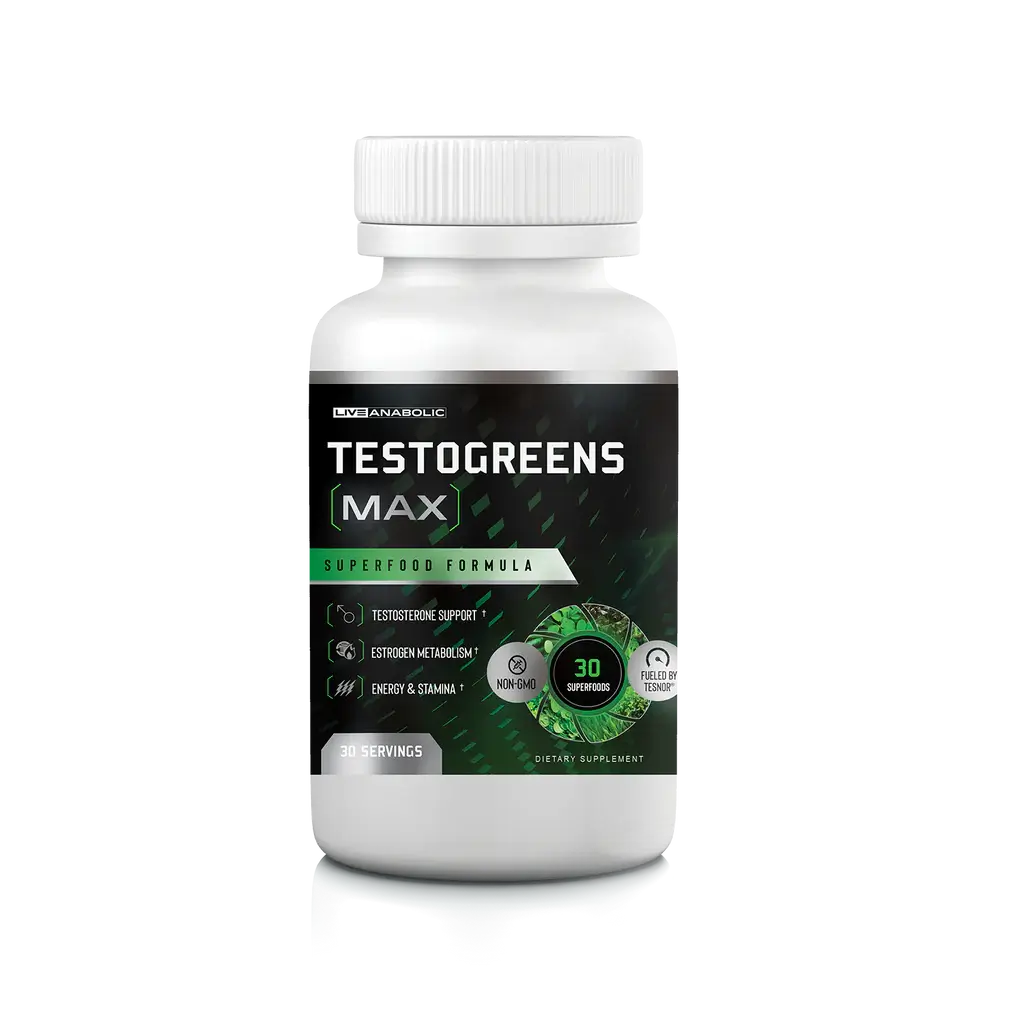
Targeted supplementation with TestoGreens Max. The patented Tesnor compound was specifically studied for its effect on free and total testosterone. The DIM component supports the estrogen-flush mechanism that keeps morning testosterone from being converted to estradiol. Bioperine ensures the active compounds actually get absorbed. Taking 2 capsules with breakfast positions the formula to support the natural morning peak rather than fight against the daily decline.
You don't need a blood test to track morning testosterone trends. Three informal markers correlate well: (1) frequency of morning erections — daily is healthy, weekly is mild deficiency, never is significant deficiency; (2) morning energy — the ease of getting out of bed and the quality of energy in the first hour after waking; (3) workout strength — your peak strength on heavy compound lifts trends with your testosterone. Tracking these subjectively over weeks and months gives you real feedback on whether your interventions (sleep, stress, supplements like TestoGreens Max) are moving the needle.
If you want hard data, get a complete morning hormone panel between 7 and 10 AM after a normal night's sleep. Test at baseline before starting any supplement, then re-test at 8-12 weeks. Look at total testosterone, free testosterone, SHBG, and estradiol together — the ratios matter as much as any single number. A meaningful improvement on TestoGreens Max in the user feedback we've aggregated is typically 100-300 ng/dL improvement in total testosterone, with most users seeing improvements in free testosterone proportionally larger than total because of the DIM-mediated reduction in estrogen conversion.
Between 7 and 10 AM is the standard window — this captures the natural daily peak. Earlier than 7 AM the rise may not have completed; later than 10 AM the peak may already be declining. Be consistent across tests: if your baseline test was at 8 AM, your follow-up test should also be at 8 AM. A 2-hour shift in timing can produce a 15-25% difference in reading that has nothing to do with actual testosterone status.
Night shift workers typically have disrupted circadian rhythms and frequently lower overall testosterone. The natural peak should occur 1-2 hours after waking from your main sleep period regardless of clock time. Test 1-2 hours after waking on a consistent sleep schedule. Long-term night shift work is one of the strongest occupational risk factors for low testosterone — if you're symptomatic, prioritize sleep quality and consider supplementation as an offsetting measure.
Several actions tonight will measurably support tomorrow's morning peak: skip alcohol entirely, finish dinner at least 3 hours before bed, keep bedroom temperature at 65-68°F, eliminate screens 60 minutes before sleep, and aim for 7-9 hours of uninterrupted sleep. If you're consistent with these for 2 weeks, you'll notice the morning energy difference. Pair with daily TestoGreens Max taken with breakfast for compounding benefit over weeks.
Money-back guarantee on the Live Anabolic LLC Official Website.
Visit TestoGreens Max Official Website →During REM sleep cycles, the hypothalamus releases pulses of GnRH, which signals the pituitary to release LH, which stimulates the testes to produce testosterone. This nocturnal cascade builds testosterone reserves that peak between 7 and 10 AM, making morning the optimal time for blood testing.
Yes — even one night of sleep restriction (under 6 hours) measurably supports testosterone the next morning. Chronic sleep restriction has cumulative effects, with one week of 5 hours per night reducing testosterone by 10-15% in young healthy men.
Yes — between 7 and 10 AM after a normal night of sleep. Afternoon testosterone readings can be 30-40% lower than morning readings and produce misleading results. Two morning tests two weeks apart give the most reliable baseline.
Targeted supplementation may support the natural morning peak when taken with breakfast. TestoGreens Max combines patented Tesnor (placebo-controlled trial in healthy men), DIM for estrogen modulation, and Bioperine for absorption. Effects build over 8-12 weeks of consistent daily use combined with sleep and lifestyle foundations.
Adult men typically range 264-916 ng/dL on total testosterone. Functional medicine considers 600-900 ng/dL optimal for active men 30+. Below 300 ng/dL with symptoms is considered clinically low and warrants endocrinologist evaluation for possible TRT.