· Reviewed by Dr. Andreas Boettcher, MD
Five testosterone-supporting breakfast recipes plus the macronutrient principles. Pair these with TestoGreens Max for synergistic results.
Testosterone production peaks in the early morning hours. The body has just finished overnight repair work, and cortisol — the stress hormone that suppresses testosterone — is also at its daily peak around 8 AM. What you eat (or don't eat) for breakfast directly affects whether the morning testosterone surge holds through the day or crashes by lunchtime. The right breakfast supports testosterone; the wrong breakfast tanks it. For men taking TestoGreens Max, pairing the supplement with a testosterone-supporting breakfast amplifies results significantly.
First, prioritize protein. Adequate dietary protein — about 30-40 grams at breakfast — supports muscle synthesis and provides the amino acid building blocks (leucine, arginine, glycine) the body uses for testosterone-related processes. Second, include healthy saturated and monounsaturated fats. Cholesterol from animal fats, eggs, and dairy is the literal molecular precursor to testosterone — your body converts cholesterol into testosterone via a multi-step pathway in the testes. Aggressive low-fat diets sustained for years are associated with measurable testosterone declines. Third, limit refined carbs and sugar at breakfast. Spiking insulin first thing in the morning increases SHBG (which binds free testosterone) and triggers a cortisol response that further suppresses available testosterone.
1. Three-egg vegetable scramble. Three whole eggs scrambled with spinach, tomato, mushrooms, and a sprinkle of feta. Cooked in olive oil or butter. About 25g protein and 22g fat. The eggs deliver cholesterol (testosterone precursor), vitamin D, and zinc — the trifecta for testosterone production. The vegetables add the cruciferous compounds (in spinach especially) that complement the DIM in TestoGreens Max for estrogen metabolism.
2. Greek yogurt power bowl. A cup of full-fat Greek yogurt topped with mixed berries, walnuts, ground flaxseed, and a drizzle of raw honey. About 22g protein and 18g fat. The probiotics in yogurt support gut health (which affects hormone metabolism), the walnuts add omega-3s and zinc, and the berries provide polyphenol antioxidants similar to the pomegranate in Tesnor.
3. Steel-cut oats with protein add-ins. Half a cup of dry steel-cut oats cooked with whole milk, topped with a scoop of grass-fed whey protein, almond butter, and cinnamon. About 35g protein and 16g fat. The slow-digesting carbs from steel-cut oats avoid the insulin spike of refined breakfast cereals. Cinnamon supports testogreensse stability, which indirectly supports testosterone by avoiding cortisol surges.
4. Smoked salmon and avocado on sprouted-grain toast. Two slices of sprouted-grain toast topped with mashed avocado, smoked salmon, capers, and red onion. About 28g protein and 24g fat. The wild salmon provides high-quality protein, vitamin D, and the omega-3 fatty acids EPA and DHA. Avocado adds monounsaturated fats that support hormone production. Sprouted-grain bread digests slowly and avoids the insulin spike of white bread.
5. The protein-greens smoothie. Blend 30g whey or pea protein with one banana, a handful of spinach, a handful of kale, half an avocado, a tablespoon of almond butter, and unsweetened almond milk. About 35g protein and 22g fat. This is the easiest breakfast for busy mornings and pairs naturally with TestoGreens Max — the leafy greens supplement the cruciferous vegetable blend and support the same DIM-related estrogen-flush mechanism.
Sugary cereals, pastries, donuts, and fruit-only breakfasts spike insulin and cortisol — both bad for testosterone. Soy-heavy breakfasts (soy milk, soy yogurt, tofu scramble) contain phytoestrogens that may modestly reduce testosterone in some men, particularly when consumed daily in large amounts. Highly processed breakfast bars marketed as "healthy" are usually loaded with sugar and seed oils. Skipping breakfast entirely (intermittent fasting) is fine for some men but can elevate cortisol if combined with high-stress lifestyles or aggressive training.
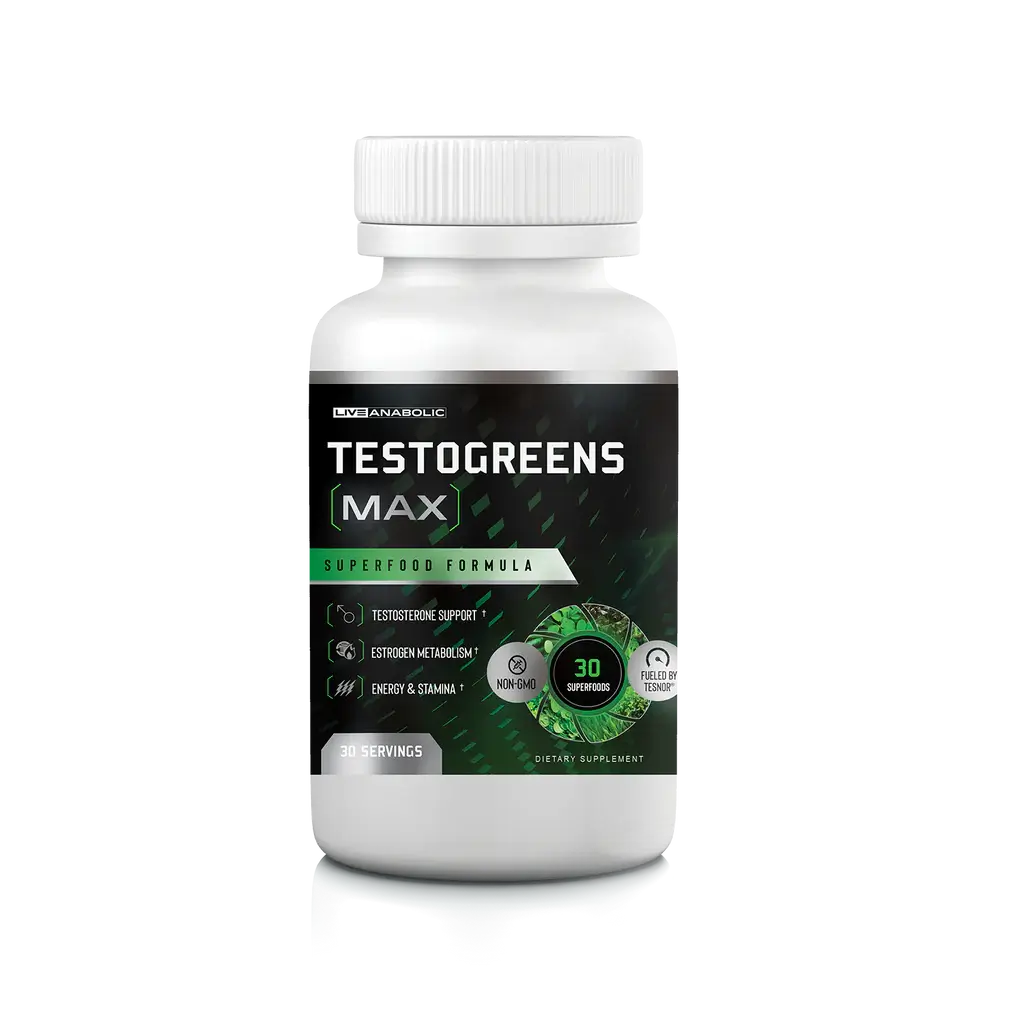
Take 2 capsules of TestoGreens Max with whichever breakfast fits your schedule. The fat content of any of the five breakfasts above maximizes absorption of the fat-soluble Tesnor polyphenols. The vegetables and cruciferous content of breakfasts 1, 4, and 5 complement the DIM in the formula. The combined effect — supplement plus testosterone-supporting breakfast — produces faster, more noticeable results than supplement alone.
Drink a full glass of water before your morning coffee. Mild morning dehydration elevates cortisol, which suppresses testosterone. Coffee in moderation (1-2 cups) is fine and may even support testosterone slightly through its mild metabolic effect, but more than 3 cups daily can elevate cortisol enough to work against your testosterone-supporting efforts. Green tea (already in some testosterone supplements) and matcha provide caffeine in lower doses with theanine that buffers the cortisol response — a better caffeine choice for men focused on hormonal balance.
Whole eggs are excellent for testosterone in healthy men. The 1980s anti-cholesterol stance has been substantially revised by current cardiology research — dietary cholesterol has minimal effect on blood cholesterol in most people, and the cholesterol in eggs is the literal precursor to testosterone production in the testes. Three whole eggs daily is well-supported for hormonal health unless you have a specific lipid disorder. Multiple studies in resistance-trained men show no negative cardiovascular effects and clear testosterone-supporting effects from whole-egg consumption.
It depends on the individual. Short-term fasting (16:8) is generally neutral to slightly positive for testosterone in healthy men. Aggressive prolonged fasting (24+ hours regularly) or fasting combined with high stress and intense training can elevate cortisol enough to suppress testosterone. If you fast and feel great, continue. If you fast and feel exhausted, irritable, and lose libido, breakfast is the better choice for your hormonal profile.
Plant-based breakfasts can support testosterone if designed carefully. Hit your protein target (30-40g) using pea protein, hemp seeds, nuts, or quinoa. Include healthy fats from avocado, olive oil, nuts, and seeds. Limit soy if you eat it daily — moderate occasional intake is fine. The plant-based smoothie option in this article works well for men preferring plant-based eating. Pair with TestoGreens Max for the testosterone-supporting compounds harder to source from plants alone.
Money-back guarantee on the Live Anabolic LLC Official Website.
Visit TestoGreens Max Official Website →A testosterone-supporting breakfast includes adequate protein (3-4 eggs, lean meat, or Greek yogurt), healthy fats (olive oil, avocado, nuts), and minimal processed sugar. Skip the cereal-and-juice combo that spikes insulin and minimizes fat intake.
Yes — eggs provide cholesterol (testosterone is synthesized from cholesterol), high-quality protein, vitamin D, and zinc. The yolk contains most of the testosterone-supporting nutrients, so whole eggs are preferable to egg whites for hormonal support.
Not necessarily — moderate complex carbs (oats, whole grain, fruit) are fine. Avoid the high-sugar breakfast pattern (sugary cereal, flavored yogurt, juice) that spikes insulin and contributes to body composition concerns over time.
Intermittent fasting (16:8 protocol) can support testosterone in some men, particularly those with elevated body fat. For men already lean and active, skipping breakfast can sometimes reduce overall calorie and protein intake to suboptimal levels — individual experimentation matters.
Yes — morning with a fat-containing breakfast is optimal. The fat-soluble compounds in the formula (DIM particularly) absorb better with dietary fat. Take 2 capsules with breakfast for the standard dose.