Functional medicine review of the 10 natural ingredients with the strongest evidence for testosterone support — Tesnor, Vitamin D, Zinc, Ashwagandha, Magnesium, Bioperine, DIM, Boron, DAA, Fenugreek.
When reading about natural ingredients for testosterone support, three quality filters cut through marketing noise. First: is there published human research at the dose used in the supplement? Animal studies and in-vitro research suggest mechanisms but don't reliably translate to human outcomes. Second: is the ingredient standardized for active compound content? Generic plant extracts have wildly variable active compound concentration; standardized extracts (Tesnor® for pomegranate-cocoa, KSM-66 for ashwagandha, Bioperine® for piperine) provide consistency. Third: does the supplement's mechanism complement other ingredients in the formula, or are multiple ingredients claiming the same effect redundantly? The 10 ingredients below are the most commonly discussed in the men's testosterone-support category, ranked by evidence quality and mechanism distinctiveness.
Tesnor® is a patented compound combining standardized pomegranate peel extract and cocoa bean seed extract, developed by Gencor and trademarked by Laila Nutra. A double-blind placebo-controlled clinical trial of 120 healthy men aged 21–35 reported changes in serum testosterone after Tesnor supplementation versus placebo, with secondary improvements in grip strength and male vitality scores. This is one of the few patented testosterone-support compounds with a published placebo-controlled human trial. Studied dose: 200–400mg/day. Mechanism: marketed to support natural testosterone production through polyphenol-mediated effects on the hypothalamic-pituitary-gonadal axis.
Vitamin D acts more like a hormone than a vitamin. The vitamin D receptor is expressed in Leydig cells (the testosterone-producing cells in the testes), and adequate vitamin D status correlates with testosterone levels in observational studies. A 2011 trial showed that supplementing vitamin-D-deficient men with 3,332 IU/day for one year increased testosterone significantly. Most US adults are deficient or insufficient, particularly during winter months and in northern latitudes. Standard dose: 2,000–5,000 IU/day of vitamin D3 (cholecalciferol), with target blood level above 30 ng/mL on 25-OH vitamin D testing.
Zinc is required for the enzymatic steps that convert cholesterol to testosterone in the testes. Severe zinc deficiency dramatically supports testosterone, and supplementation in deficient men restores levels. The RDA is 11 mg/day for adult men, but active men, men with high sweat losses, and men with poor zinc intake from diet may benefit from supplementation in the 15–30 mg range. Don't exceed 40 mg/day long-term without medical supervision — high zinc intake interferes with copper absorption. Best food sources: oysters (extraordinarily high), beef, pumpkin seeds, lentils, yogurt.
Ashwagandha is an adaptogenic herb with multiple human trials showing reduced cortisol and indirect testosterone preservation in stressed adults. A 2015 trial in resistance-trained men showed significantly greater muscle strength gains and testosterone increases versus placebo over 8 weeks. The mechanism: chronic stress drives sustained cortisol elevation, which competes with testosterone for precursor hormones in the steroidogenesis pathway. By dampening the cortisol response, ashwagandha indirectly preserves testosterone production capacity. Standardized extracts (KSM-66, Sensoril, Shoden) target specific withanolide concentrations. Studied dose: 300–600 mg/day of standardized extract.
Magnesium plays a role in over 300 enzymatic processes in the body, including some involved in testosterone production and free testosterone bioavailability (magnesium reduces SHBG binding, increasing the free testosterone fraction). Magnesium deficiency is common in modern Western diets — perhaps 50% of US adults consume less than the RDA. A 2011 study showed that men supplementing with 10 mg/kg of magnesium daily for 4 weeks increased free and total testosterone, particularly when combined with exercise. Standard dose: 200–400 mg/day of magnesium glycinate or magnesium citrate (better absorbed than magnesium oxide).
Bioperine® is a patented black pepper extract standardized to 95% piperine content. It is included in supplement formulations to enhance the absorption and bioavailability of other compounds, not as a direct testosterone booster. Bioperine inhibits certain liver enzymes that would normally break down compounds before absorption, slows gastric emptying to extend absorption time, and increases intestinal cell permeability for better polyphenol uptake. In TestoGreens Max, Bioperine maximizes absorption of the patented Tesnor polyphenols, the DIM compound, and the various phytochemicals from the 14-vegetable blend. Standard dose: 5–10 mg/day per serving.
DIM is a compound formed when stomach acid digests indole-3-carbinol from cruciferous vegetables. It works at the liver level, modifying the pathway by which estrogen is broken down for excretion — tilting metabolism toward the less inflammatory estrogen metabolites (2-hydroxyestrone) and away from the more harmful ones (16-alpha-hydroxyestrone). For men, this matters because estrogen levels rise relative to testosterone with age, and the inflammatory estrogen metabolites contribute to belly fat retention and reduced testosterone-to-estrogen ratio. Standard dose: 100–200 mg/day with a meal containing some fat (DIM is fat-soluble).
Boron is a trace mineral with growing evidence for testosterone support. A small study showed that 10 mg of boron daily for one week increased free testosterone by approximately 28% and decreased estradiol — likely through reduced SHBG binding and decreased aromatase activity. Boron is included in several premium men's health formulations including Prime Male and Hunter Test for this reason. Standard dose: 3–10 mg/day. Boron is generally well-tolerated at typical supplement doses; very high doses (over 20 mg/day) should be avoided.
D-aspartic acid is a non-essential amino acid that works in the testes and pituitary gland to stimulate luteinizing hormone (LH) release, which signals testosterone production. DAA is the headline ingredient in TestoPrime, Prime Male, and TestoFuel formulations. Evidence is mixed: some trials show meaningful testosterone increases in men with low baseline levels, while other trials show no significant effect in already-healthy young men. The pattern suggests DAA works best for men with suboptimal baseline testosterone rather than already-optimal levels. Studied dose: 2,000–3,000 mg/day, typically cycled (12 days on, 1 week off) to avoid receptor desensitization.
Fenugreek extract has been studied for libido, body composition, and testosterone in men. The most-studied standardized extract is Testofen (specifically standardized fenugreek used in Nugenix Total-T). Trials show modest improvements in free testosterone, libido, and body composition over 8–12 weeks. The mechanism is incompletely understood but may involve aromatase inhibition and SHBG modulation. Standard dose: 500–600 mg/day of standardized extract. Fenugreek can occasionally produce a maple-syrup body odor and may interact with blood thinners and diabetes medications.
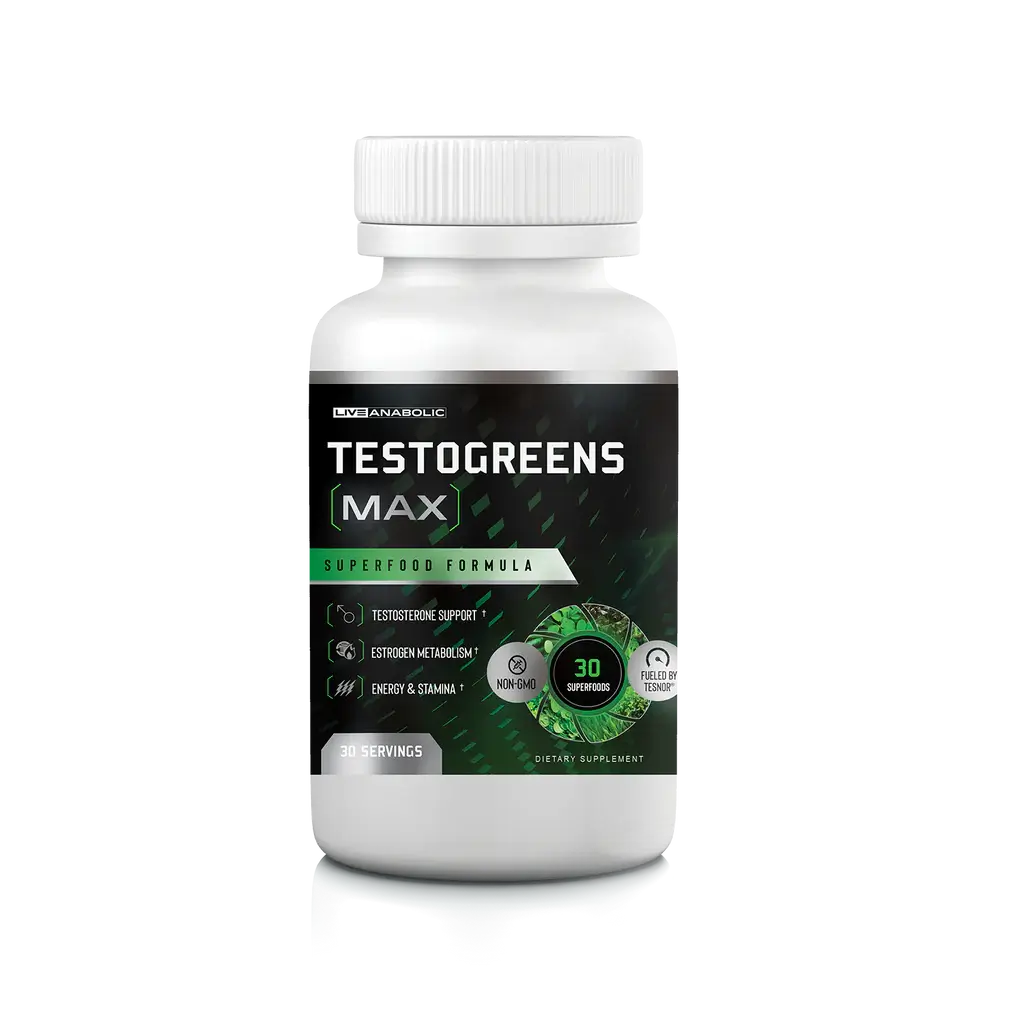
Applying these evidence filters to TestoGreens Max: the patented Tesnor® compound has a placebo-controlled human trial at the included dose. DIM has decades of human research on estrogen metabolism modulation. Bioperine® has the strongest evidence base of any bioavailability enhancer. Ashwagandha has multiple human trials supporting both stress reduction and indirect testosterone preservation. Supporting ingredients (alfalfa, boron, vegetable blend) provide nutritional foundation. The mechanisms complement rather than duplicate: Tesnor activates testosterone production, DIM addresses estrogen conversion, Bioperine enhances absorption, ashwagandha protects against cortisol-mediated suppression. This complementary design distinguishes well-formulated products from formulas that pad ingredient counts with redundant boosters.
No natural testosterone ingredient produces the magnitude of effect that pharmaceutical TRT (testosterone replacement therapy) produces. Natural ingredients work at the margins — supporting natural production, modulating estrogen conversion, addressing nutritional deficiencies, and reducing cortisol-mediated suppression. The realistic effect size for a well-formulated supplement in men with low-normal baseline testosterone is meaningful but modest: typically 50–150 ng/dL of total testosterone improvement over 8–12 weeks of consistent use combined with lifestyle foundations. Men expecting drug-like 200+ ng/dL increases from any natural supplement are likely to be disappointed. Men with realistic expectations and the lifestyle foundations in place often see meaningful additive benefit from quality formulations like TestoGreens Max.
See how TestoGreens Max combines Tesnor, DIM, Bioperine, and 32 supporting ingredients.
Read the Review →