Educational guide to testosterone — biology, free vs total, age-related decline, symptoms, lifestyle factors, supplement role, lab testing guidance.
Testosterone is the primary male sex hormone, produced primarily in the testes (with small amounts produced by the adrenal glands). It belongs to a class of hormones called androgens and is synthesized from cholesterol through a multi-step enzymatic pathway in the Leydig cells of the testes. Production is regulated by signals from the hypothalamus and pituitary gland — gonadotropin-releasing hormone (GnRH) triggers luteinizing hormone (LH) release, which in turn signals the testes to produce testosterone. Once produced, testosterone circulates in the bloodstream and binds to androgen receptors in muscle, brain, bone, skin, and reproductive tissues, where it produces its biological effects.
Testosterone's functions in adult men include maintaining muscle mass and strength, supporting bone density, regulating libido and sexual function, supporting red blood cell production, maintaining mood and motivation, supporting cognitive function (particularly verbal memory and spatial reasoning), and influencing fat distribution. The effects are dose-dependent — adequate testosterone supports all these functions, while declining testosterone progressively undermines them.
Most blood tests report total testosterone — the entire amount of testosterone in circulation. The reference range for adult men is approximately 264–916 ng/dL. But this number includes testosterone bound to a transport protein called sex hormone binding globulin (SHBG), which is biologically inactive — it can't enter cells or produce effects. The biologically active portion is called free testosterone, typically 1–3% of total. A man with "normal" total testosterone but elevated SHBG can have low free testosterone and feel symptomatic despite the lab showing normal results. This is why a complete hormone panel should request both free and total testosterone, plus SHBG, rather than relying on total alone.
After approximately age 30, testosterone declines about 1% per year on average. The decline involves several mechanisms working together. Leydig cell function gradually deteriorates, producing less testosterone in response to the same LH signal. SHBG levels rise with age, reducing the free (active) fraction of testosterone. Aromatase activity in adipose tissue increases, converting more testosterone to estradiol. Sleep quality often declines, reducing the overnight production peaks. Cumulative cortisol exposure from life stress competes for the same precursor hormones. Body fat tends to accumulate, accelerating the aromatase-driven conversion. By age 50, the average man has 20–30% less testosterone than he did at age 25; by age 70, the gap is often 40–50%.
This natural decline is sometimes called "andropause" or "male menopause," though the analogy is imperfect — male testosterone decline is gradual rather than sudden, and most men retain enough testosterone to function normally even into old age. The clinical concern is when decline becomes severe enough to produce symptoms, or when it's accelerated by lifestyle factors that compound the natural age-related drop.
Common symptoms of low testosterone include persistent fatigue (especially afternoon energy crashes that coffee doesn't fix), reduced libido and less frequent morning erections, slower workout recovery and difficulty making strength gains, stubborn belly fat that resists diet and exercise, mood changes (irritability, mild depression, reduced motivation), sleep disruption with reduced sleep quality, cognitive symptoms (brain fog, poor focus, memory issues), and reduced sense of well-being or vitality. Few men have all of these; most have a cluster of three or four that have crept in gradually over years. The cluster pattern is more diagnostic than any single symptom — fatigue alone has many causes, but fatigue plus low libido plus poor recovery plus belly fat is a recognizable hormonal pattern.
Sleep is the single highest-leverage intervention — testosterone is produced primarily during sleep, and 7–9 hours per night with consistent timing supports the natural production cycle. Resistance training (especially compound lifts done with progressive overload 3–4 times per week) raises testosterone over time. Adequate protein (0.7–1.0 g per pound of bodyweight) provides the amino acids hormone production requires. Adequate dietary fat and cholesterol matter because testosterone is literally synthesized from cholesterol. Vitamin D status (target 25-OH vitamin D level above 30 ng/mL) directly affects testosterone production. Adequate zinc supports the enzymatic steps in testosterone synthesis. Stress reduction lowers cortisol, which competes with testosterone for precursor hormones. Body fat reduction (particularly visceral belly fat) reduces aromatase activity that converts testosterone to estrogen. Alcohol moderation prevents the testosterone-suppressing effects of regular drinking.
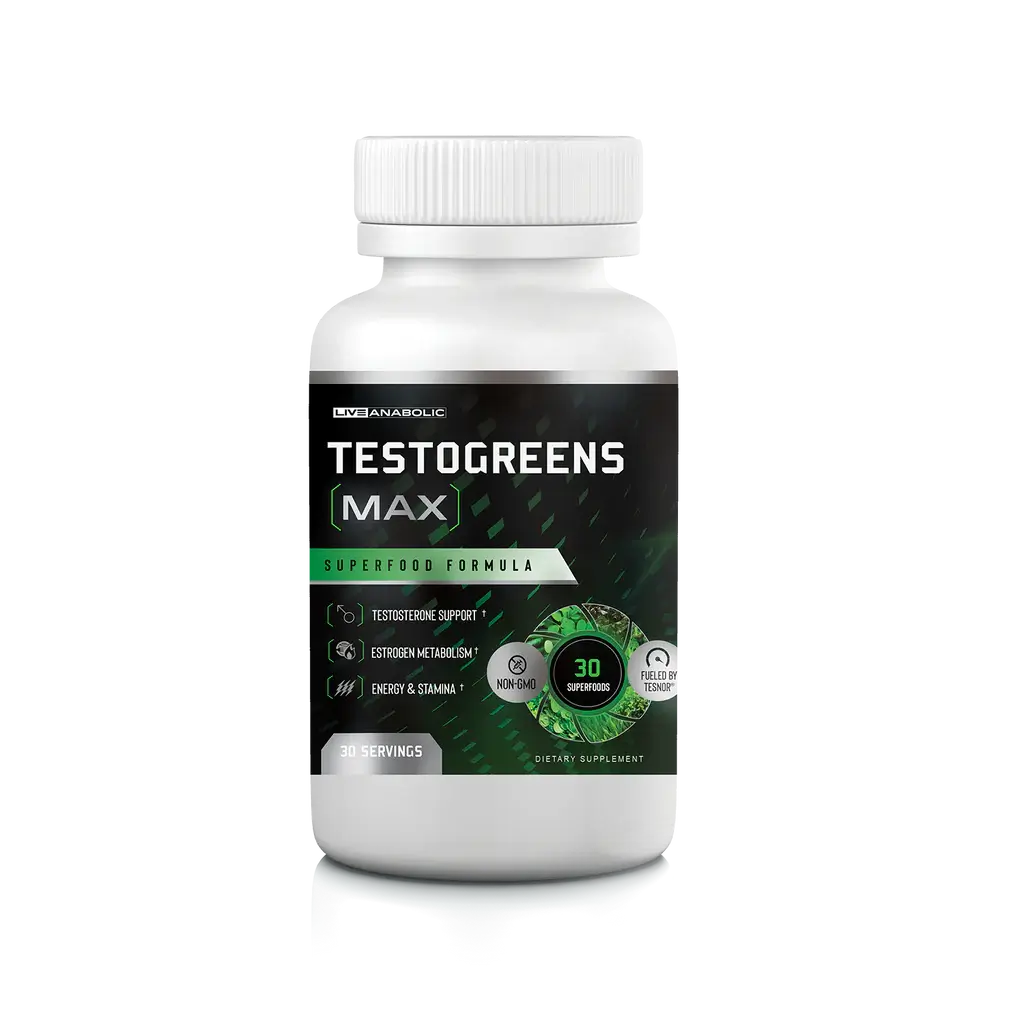
Specific supplement ingredients have varying levels of evidence for testosterone support. Tesnor® is a patented combination of pomegranate peel extract and cocoa bean seed extract developed by Gencor and trademarked by Laila Nutra. A double-blind placebo-controlled clinical trial of 120 healthy men aged 21–35 found that 200–400mg of Tesnor daily supported testosterone levels versus placebo, with secondary benefits in grip strength and male vitality scores. DIM (Diindolylmethane) is a compound derived from cruciferous vegetables that helps shift estrogen metabolism toward less inflammatory pathways — useful for managing the testosterone-to-estrogen ratio that worsens with age. Ashwagandha is an adaptogenic herb with multiple human trials showing reduced cortisol and indirect testosterone preservation through stress modulation. Bioperine® is a patented black pepper extract that enhances the absorption of other compounds in supplement formulations. These four ingredients form the active core of TestoGreens Max, alongside 31 supporting superfoods.
Honest expectations matter. Supplements cannot reverse clinically low testosterone (under 300 ng/dL with symptoms) — that situation requires endocrinologist evaluation and often pharmaceutical TRT. Supplements cannot compensate for poor lifestyle foundations — a man sleeping 5 hours per night with poor diet and no training won't see meaningful results from any supplement. Supplements cannot produce drug-like overnight changes — the typical timeline for noticeable subjective improvement is 4–8 weeks, with measurable bloodwork changes at 8–12 weeks. Supplements cannot diagnose or treat any disease. Supplements with bigger ingredient counts aren't necessarily better than focused formulations — what matters is ingredient quality, evidence base, and complementary mechanisms rather than ingredient count. Supplements that promise "dramatic transformation" or "testosterone increases of 400%" are making claims unsupported by evidence and should be approached skeptically.
Get tested if you have multiple symptoms of low testosterone that have persisted for more than 3 months, particularly fatigue, low libido, and reduced workout response. Request a complete morning hormone panel between 7 and 10 AM (testosterone peaks in the morning and declines through the day, so afternoon tests can show 30–40% lower levels and produce misleading results). The minimum panel should include total testosterone, free testosterone, SHBG, and estradiol. Add LH and FSH if your testosterone is low to help distinguish primary testicular issues from pituitary issues. Two tests two weeks apart give a more reliable baseline than a single draw. After lifestyle changes or supplementation, retest at 8–12 weeks to assess response. If your total testosterone is consistently below 300 ng/dL with symptoms, consult an endocrinologist about TRT evaluation rather than relying on supplements alone.
Independent functional medicine analysis of ingredients, pricing, and realistic results.
Read the Review →